
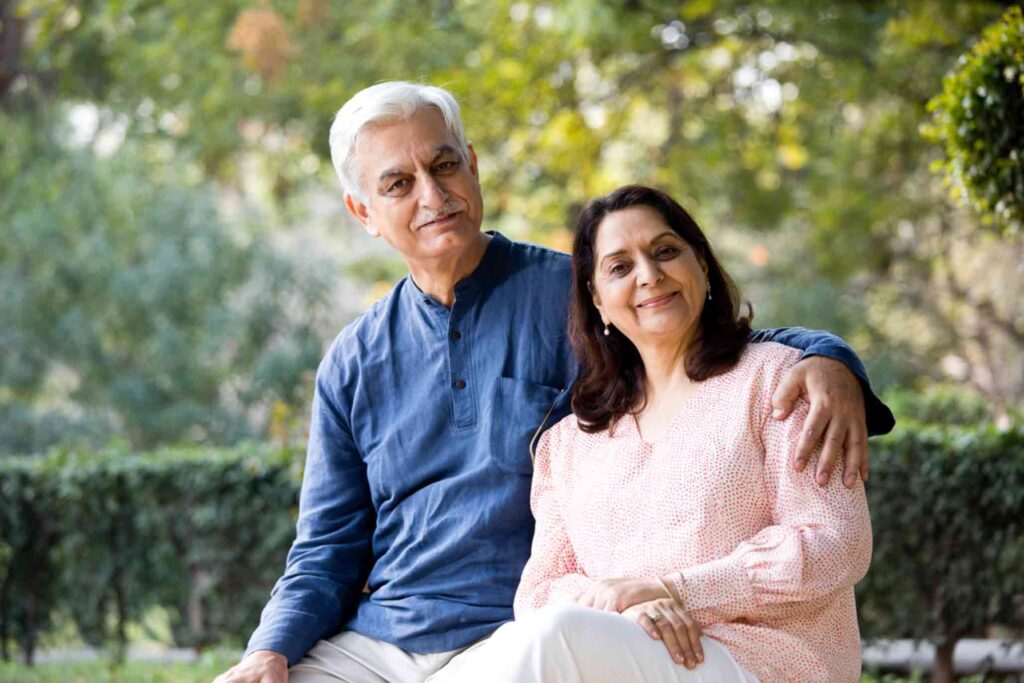
How Much Money Do You Really Need to Retire in India
Retirement is a phase everyone dreams about but very few people prepare for properly. Many people ask the same question how much money do you really need to retire in India. The answer is not one fixed number. It depends on lifestyle expenses health family responsibilities and inflation. Retirement is not the end of earning but it is the start of depending on savings and planning. If retirement is not planned well it can become stressful instead of peaceful.
Below is a detailed and simple explanation to help understand retirement needs in a practical and realistic way.
1. Understanding What Retirement Really Means
Retirement does not mean stopping life activities. It means stopping regular income from job or business. Expenses do not stop after retirement. In fact some expenses like medical costs increase. Many people think retirement means relaxing at home but reality is different.
After retirement you still need money for daily living food electricity house maintenance travel health care and family support. Retirement planning is about replacing your monthly income with your own savings. Understanding this basic idea is very important before calculating how much money you need.
2. Retirement Age and Life Expectancy
In India many people retire between age 55 to 60. Life expectancy is increasing and many people live till 80 or even more. This means retirement period can easily last 20 to 30 years.
If you retire at 60 and live till 85 you need money for 25 years without regular income. Planning only for few years is a big mistake. Retirement money should last long enough so that you do not depend on others later in life.
3. Current Monthly Expenses Are the Base
The first step to calculate retirement amount is knowing your current monthly expenses. This includes food bills electricity water transport personal expenses and basic lifestyle costs.
Many experts suggest that retirement expenses may be slightly lower at start but later increase due to health care. You should calculate your current expenses honestly. This becomes the base for future calculation.
4. Impact of Inflation on Retirement
Inflation is one of the biggest enemies of retirement planning. What costs ten thousand today will cost much more after ten or twenty years. Medical inflation is usually higher than normal inflation.
If your current monthly expense is thirty thousand it may become sixty thousand or more in future. Retirement planning without inflation is incomplete. You must consider rising prices to avoid shortage of money later.
5. Lifestyle You Want After Retirement
Everyone wants different lifestyle after retirement. Some want simple peaceful life while others want to travel enjoy hobbies and spend time with family.
Your retirement amount depends a lot on the lifestyle you choose. A simple lifestyle needs less money while a comfortable lifestyle with travel and activities needs more. Being honest about your expectations helps calculate realistic retirement needs.
6. Medical Expenses After Retirement
Health care cost is one of the biggest expenses after retirement. As age increases chances of illness also increase. Regular checkups medicines and treatments become part of life.
Many people underestimate medical expenses and face trouble later. Retirement money must include health related expenses properly. Ignoring medical cost can disturb entire retirement plan.
7. Housing Situation After Retirement
Your housing situation makes a big difference. If you own a house and do not have rent to pay expenses reduce. If you stay on rent retirement expenses increase.
Also house maintenance repairs and property taxes need money. Retirement planning should include housing related costs clearly. Where you plan to live after retirement also matters.
8. Family Responsibilities After Retirement
In India many people support family even after retirement. This may include spouse children grandchildren or parents. Some people help children in marriage or education.
These responsibilities need money. Retirement planning should not ignore family obligations. Being realistic about responsibilities helps avoid stress later.
9. Emergency and Unexpected Expenses
Life is unpredictable. Emergencies can come anytime. Big medical expenses family emergencies or home repairs may need sudden money.
Retirement money should have cushion for emergencies. Without emergency buffer even small issues can create panic. Planning for unexpected expenses gives confidence and peace of mind.
10. Simple Method to Estimate Retirement Amount
A simple method many people use is multiplying annual expenses by number of retirement years. For example if annual expense is five lakh and retirement period is twenty five years then basic amount becomes one crore twenty five lakh.
But this is only a starting point. Inflation health costs and lifestyle changes need to be added. This calculation gives rough idea not exact number.
11. Why One Fixed Number Does Not Work for Everyone
Many people search online for exact retirement number like two crore or three crore. This approach is misleading. Retirement needs are personal.
Income level city lifestyle health and family situation differ for everyone. What is enough for one person may not be enough for another. Retirement planning should be customized not copied.
12. Importance of Starting Early
The earlier you start planning the easier it becomes. Starting late means you need to save more aggressively. Time plays a big role in retirement planning.
Even small savings started early grow into big amount over time. Delaying retirement planning increases pressure and risk. Early planning gives flexibility and comfort.
13. Retirement Is Not Only About Money
Money is important but retirement is also about mental peace health and purpose. Many people feel lost after retirement because they did not plan life beyond work.
Planning activities hobbies and social life is also important. A happy retirement needs balance not just money. Financial planning supports but does not replace emotional planning.
14. Common Mistakes People Make
Many people ignore inflation underestimate life expectancy and medical costs. Some depend fully on children which creates emotional and financial stress.
Another mistake is not reviewing retirement plan regularly. Life changes income changes expenses change. Retirement planning should be reviewed from time to time.
15. Retirement Planning Gives Confidence
When you know you are prepared retirement feels less scary. Proper planning gives confidence independence and dignity.
Knowing how much money you need helps you take better decisions today. Retirement planning is not about fear it is about freedom and control.
Conclusion
So how much money do you really need to retire in India depends on your lifestyle expenses inflation health family responsibilities and retirement age. There is no single magic number. Retirement planning is a personal journey not a standard formula. Understanding your current expenses planning for future inflation and thinking realistically about life after retirement helps you estimate the right amount. A well planned retirement brings peace independence and confidence in later years. The goal of retirement planning is not luxury but security comfort and dignity for the rest of your life.